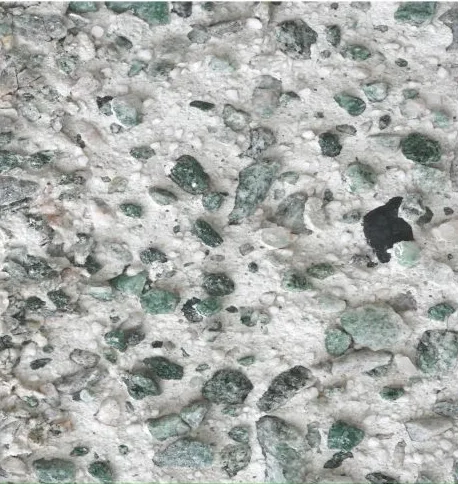
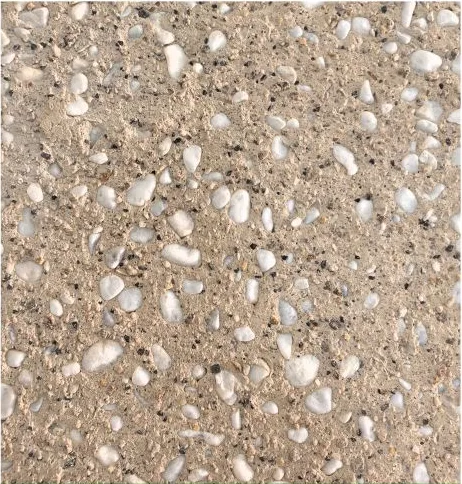
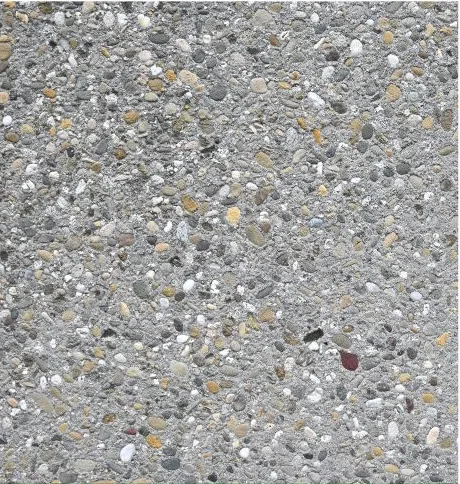
Natural stone
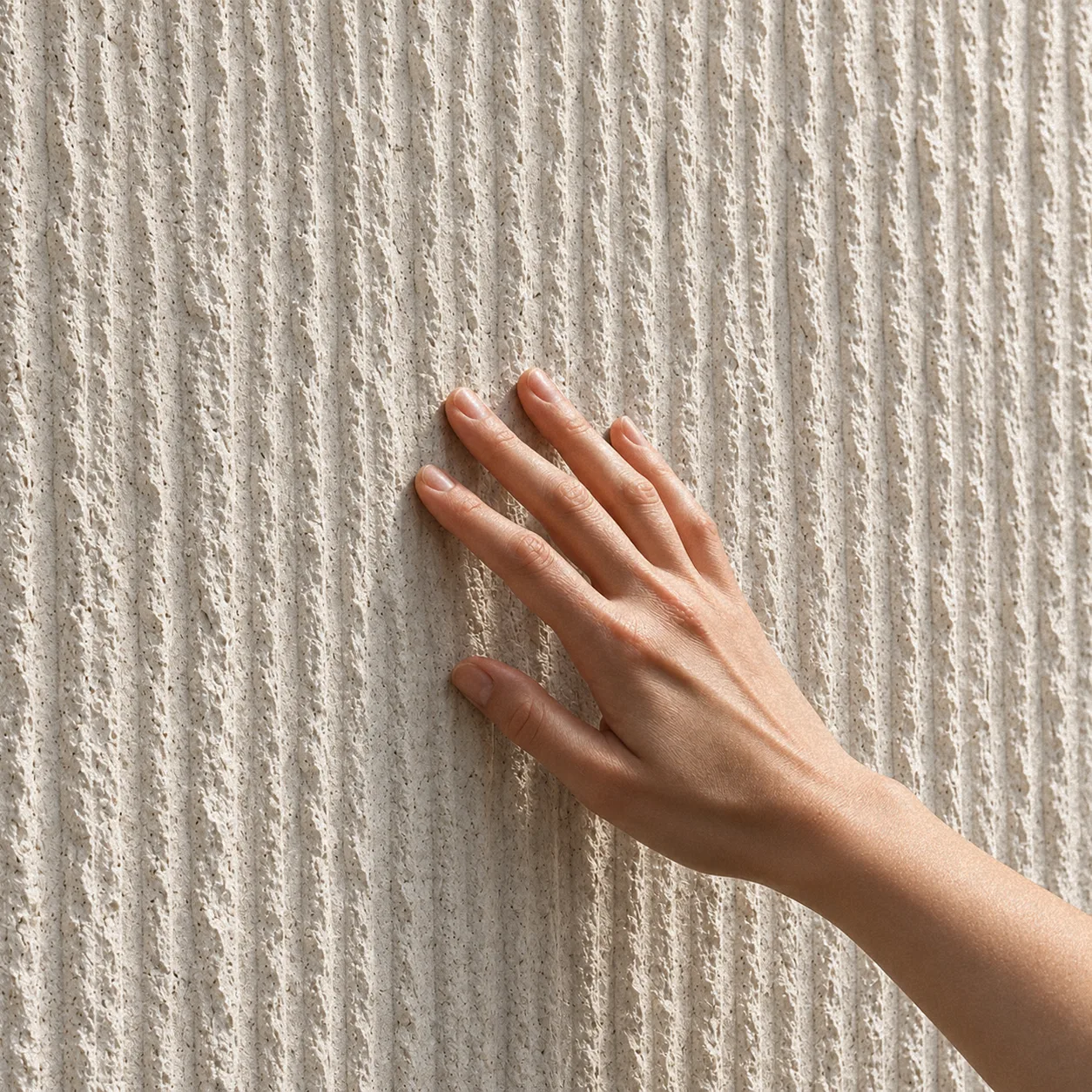
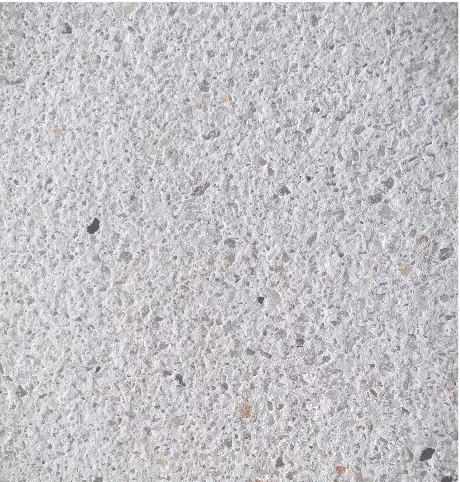
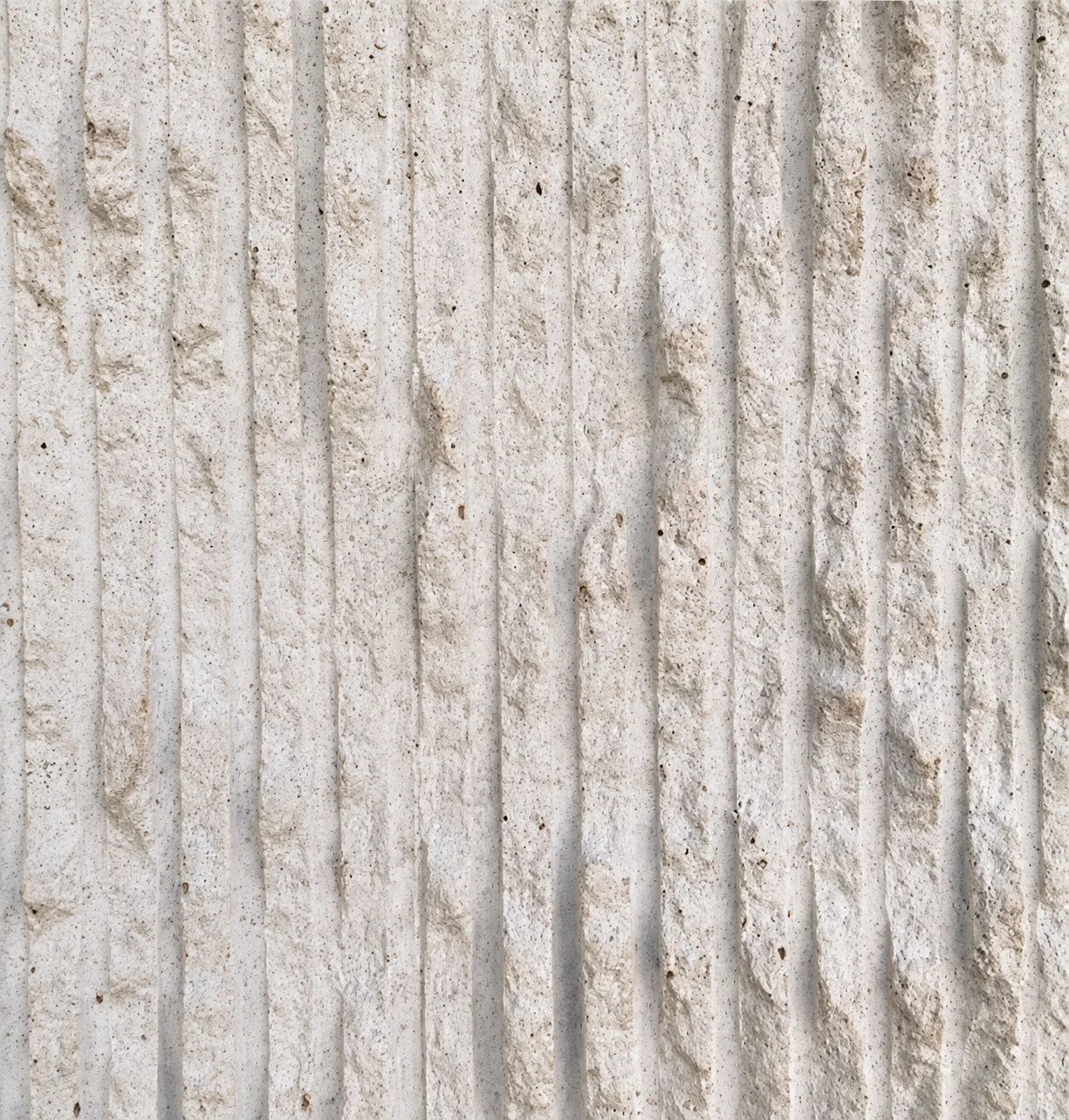
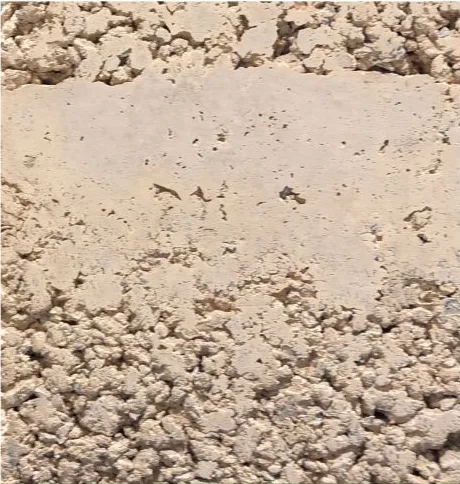
Advantages Natural texture, unique patterns and broad acceptance in construction.
Limitations Smaller panel sizes, costly custom shaping and difficult openwork fabrication. Potential issues include natural fissures, colour variation, efflorescence and freeze–thaw weathering, alongside quarry-supply controls and environmental risks.
Best suited to Well-funded projects prioritizing natural patterns and mainly flat panels.
Conventional precast concrete (PC)
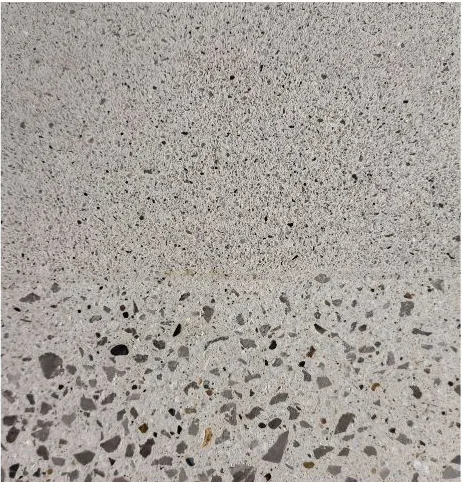
Advantages Low unit cost and suitability for regular shapes.
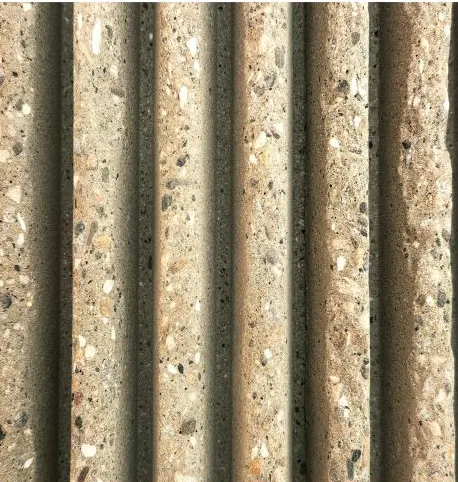
Limitations Low strength, high porosity and susceptibility to cracking and efflorescence. Thin, double-curved and highly perforated panels are difficult to produce. Components are heavy, durability is moderate and deterioration is faster in coastal salt-spray environments.
Best suited to Budget-led projects with simple, flat façades and modest design and durability requirements.
UHPC
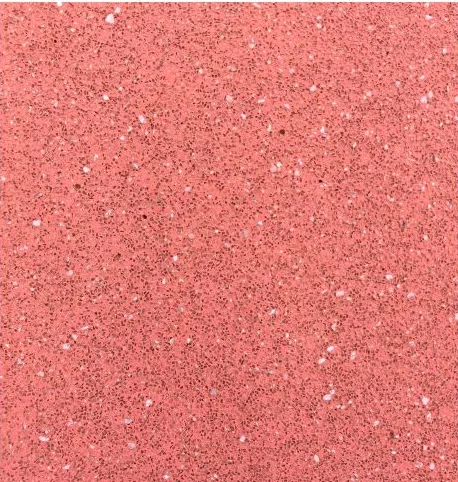
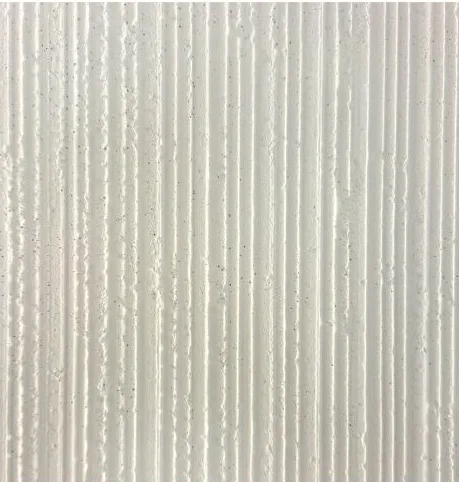
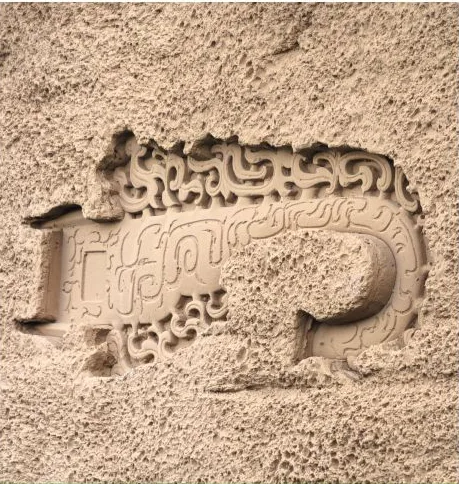
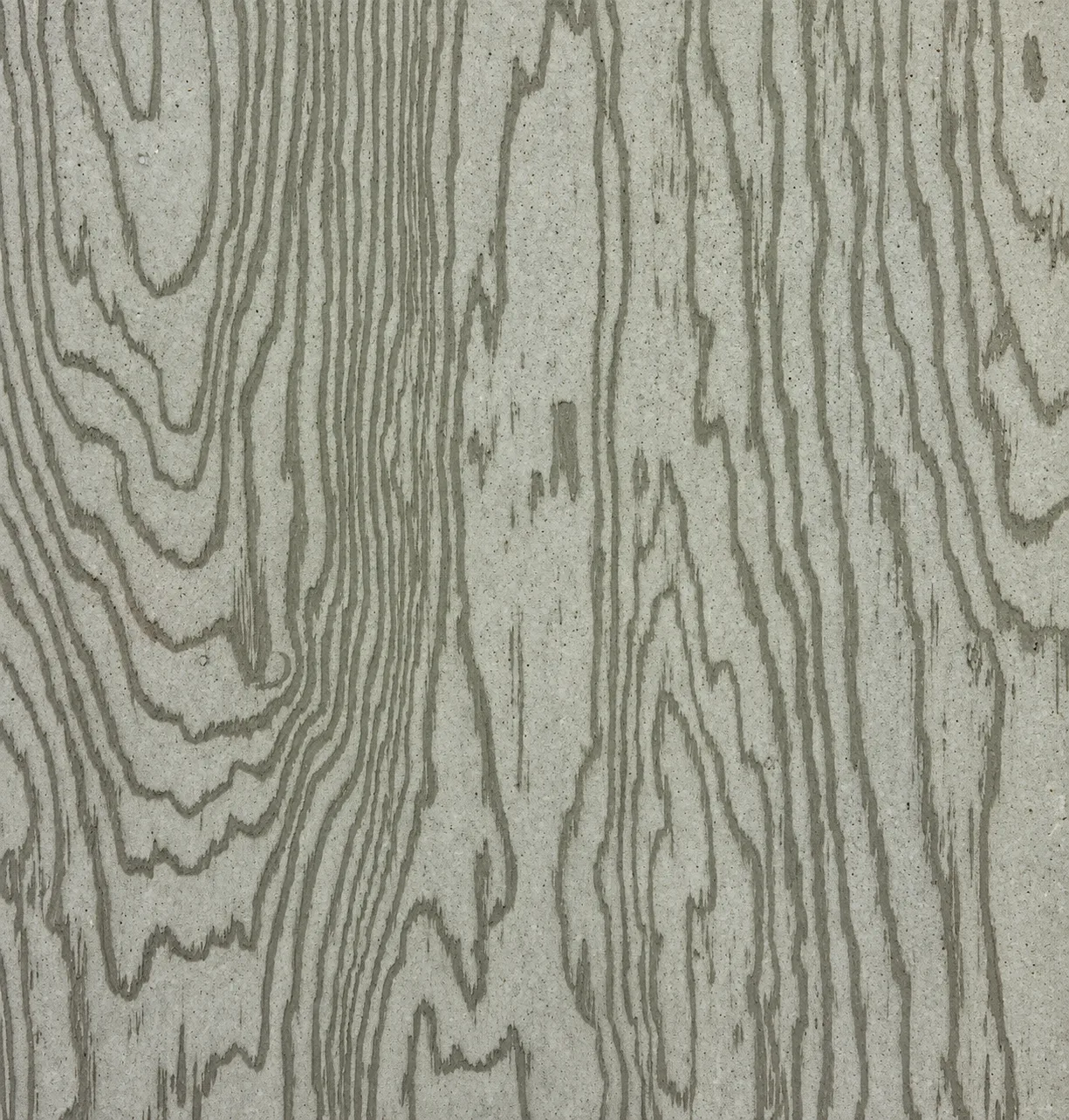
Advantages High strength and durability enable 30–40 mm panels. Its dense, low-porosity matrix resists salt spray and freeze–thaw damage. Curved, corner, openwork and shading components can be cast integrally. Iron-oxide pigments provide through-colour with good fade resistance. Whole-life maintenance costs are low.
Limitations Higher unit cost than conventional PC, with higher mould costs for custom and curved shapes.
Best suited to Landmark public buildings, curved and openwork designs, highly corrosive coastal environments, high-rise and high-wind projects, and façades targeting long-term maintenance-free performance.
Selection guide Choose stone for natural patterns. Choose conventional PC for budget-led, simple flat panels. Consider UHPC for complex shapes, coastal or high-rise projects, or when long-term durability takes priority.